16 November 2026
Field notes: the Aframax that sat high for three weeks and nobody flagged it
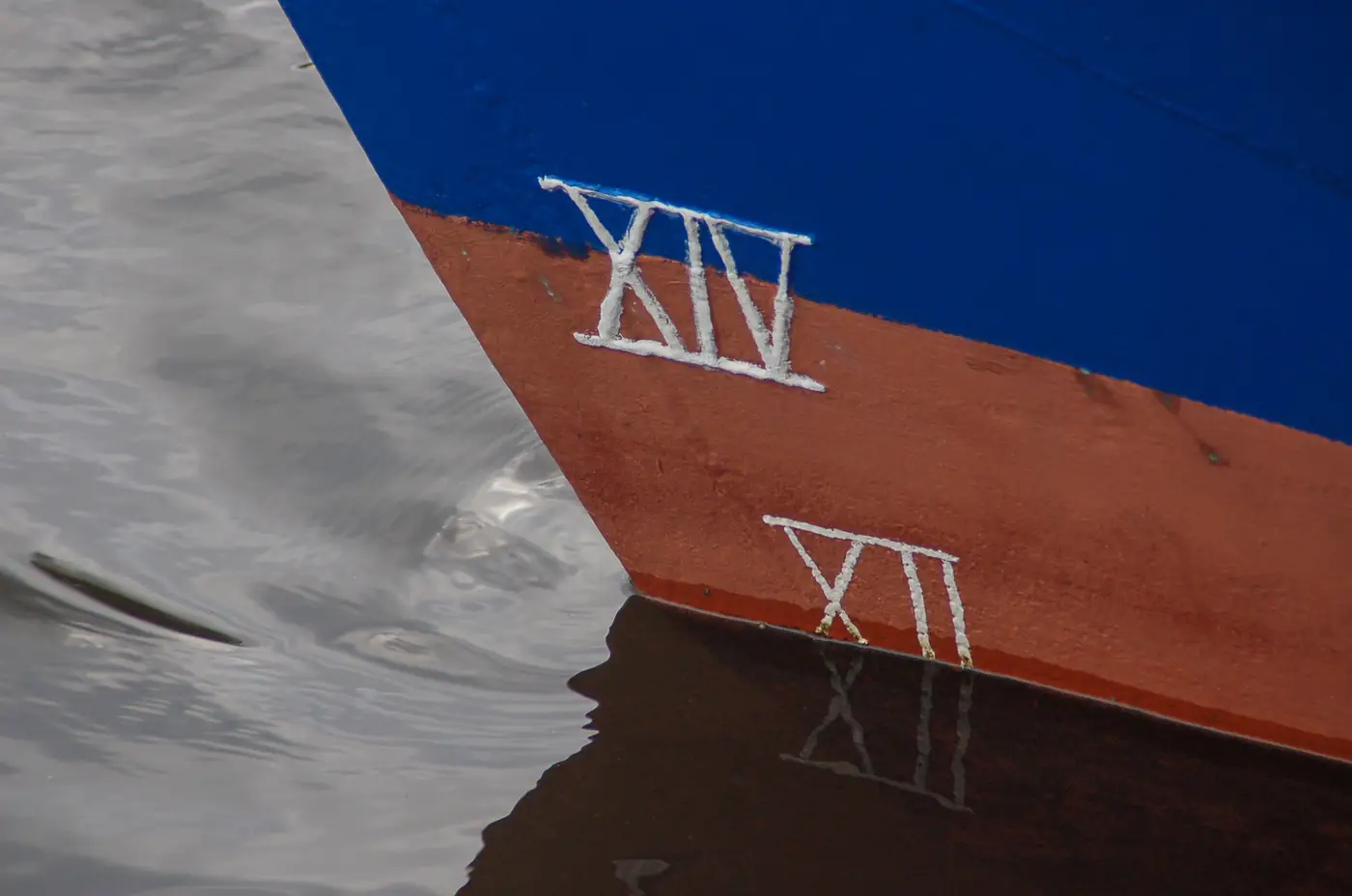
An Aframax went on subs for a cargo out of Fujairah in late September. Port call report came through clean: laden draft, bills signed, demurrage clock ticking as expected. Everyone on the desk moved on to the next fixture.
Three weeks later someone pulled up the AIS track because the vessel was running slower than the voyage estimate said it should, and the ETA kept sliding. Track looked normal. Speed looked like a laden Aframax grinding into a headwind, nothing alarming. What nobody checked, because there was no reason to check it, was the waterline.
She'd been sitting high since roughly a week after loading, high enough that a hull surveyor walking the berth would have raised an eyebrow. The kind of freeboard that says part cargo, or a slop discharge somewhere nobody logged, or a stem that came in short and got papered over at the load port. The desk found out the hard way, from the receiver's agent at discharge, who mentioned the ullages didn't match the bill of lading and asked, not unreasonably, what had happened in between.
This is the part of the job that doesn't get talked about much outside the desk: a port call report is a photograph, not a video. It tells you the draft at the moment the vessel left the berth. After that, the loading state is whatever the last paperwork said it was, right up until the next survey, the next port call, or somebody at the receiving end starts asking questions. AIS gives you position and speed and course, all of it continuously, none of it telling you whether the hull is riding on laden marks or ballast marks. You can watch a vessel's whole voyage unfold in real time and still have no idea if what's inside the tanks matches what the fixture note says.
Three weeks is a long window for that kind of blind spot on a single cargo, and it's not a rare window. It's the normal gap between one port call and the next, stretched across a voyage that ran long for reasons that had nothing to do with cargo. Nobody flagged the Aframax because flagging it required someone to go looking for a problem that had given no signal. The AIS feed was fine. The ETA was off by days, which happens constantly and rarely means anything. The only tell was draft, and draft isn't a field anyone was watching.
Catching it earlier means watching the hull between port calls, when the paperwork has gone quiet and the vessel is just a dot moving across open water. Freeboard doesn't lie the way a stem letter can. A laden Aframax rides low enough that the hull shows a particular band of exposed plate above the waterline, and a vessel running part-laden or in ballast shows a lot more of it. It's a fact you can read straight off the hull, without boarding.
A few desks have started asking whether there's a way to check loading state directly from overhead imagery on some kind of regular interval, instead of waiting for the next document to land in the inbox. Ship Loading State is building toward exactly that: a weekly read of freeboard and waterline against the hull, turned into a flag, laden, part-laden, or ballast, so a vessel that slips from laden to part-laden between port calls doesn't get to sit there for three weeks before anyone notices.
Nobody's claiming this replaces the survey, or the bill of lading, or the agent at discharge who finally asks the right question. But a weekly check on draft would have put a flag on that Aframax sometime in week two instead of week four, when it still mattered which way the cargo had moved.
If you've got a vessel on the books right now where the last thing you know for certain is what the port call report said a week or two ago, it might be worth getting on the early access list.