19 October 2026
Field notes: the fixture said empty, the photo said otherwise
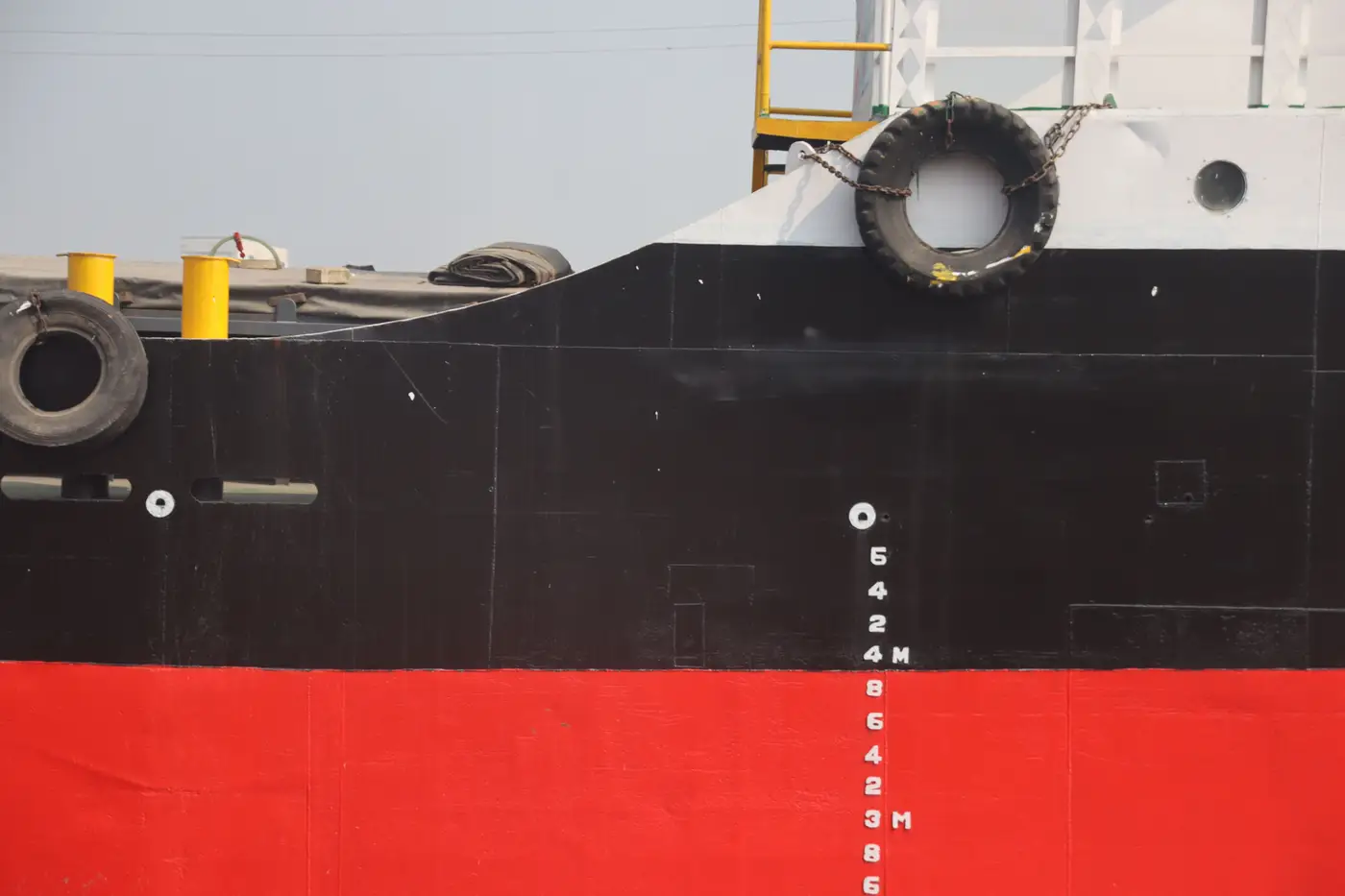
A broker's fixture report came across the desk in September listing a handysize as "ballast, proceeding to load port." Standard language, nothing to flag. The vessel had discharged a week earlier and the next charter party hadn't been drawn up yet, so ballast made sense on paper. It's what you'd write if you hadn't looked.
A directly-overhead pass taken two days after that report showed something else. Freeboard was down, visibly enough that the waterline sat where you'd expect on a part-laden hull rather than an empty one. No new charter party existed in any system we had access to. No port call report mentioned a load. The ship just looked heavier than the paperwork said it should.
This is the gap that fixture reports leave open, and it's worth sitting with for a minute instead of rushing past it.
A fixture report is a snapshot of an intention, not a measurement of a hull. It gets written when a charter is agreed, updated when terms change, and left alone once the voyage is underway unless something forces a correction. Between fixtures, a vessel can pick up a part cargo nobody's told you about, carry ballast water that reads oddly in certain trims, or simply sit at anchor for longer than anyone expected while the market works out what to do with it. None of that shows up in a broker's note. All of it shows up on the waterline.
The usual fallback is to wait. Wait for the port call report, wait for the next AIS loitering pattern to resolve into something readable, wait for the charter party to get filed somewhere you can see it. That's fine when the position isn't moving your P&L. It's less fine when you're holding a view on freight rates for that trade lane and the question of whether this one ship is laden or empty is the thing that tells you whether the market's tighter or looser than consensus thinks.
The photograph flagged that the fixture report and the hull's actual state had drifted apart, and that the drift was worth a phone call before the position got marked. We rang the operator. Turned out there had been a short-haul part cargo picked up on a diversion, never logged anywhere we'd normally see it, cleared off three days before the vessel reached the declared load port. By the time the official paperwork caught up, the window where that information would have been useful had closed.
That's the shape of the problem more often than not. It's rarely that the fixture report is wrong. It's that it's right for the moment it was written and stale for every moment after, and a hull doesn't wait for someone to update a spreadsheet before it rides low in the water. The reconciliation between what's filed and what's floating is where the actual information sits, and most desks don't have a cheap way to check it weekly across a tracked list without a port call or a boarding they're not going to get.
That's the gap we built Ship Loading State to narrow: a weekly read of freeboard and waterline against a tracked vessel list, flagged laden, part-laden, or ballast, with the date of the image it came from, so a fixture report doesn't have to be taken on faith for three weeks at a stretch.
It's early access and we're building out the pilot list now. If your reconciliation problem looks anything like the one above, we'd like to hear about it.