8 October 2026
Port call report vs AIS draft message: why they rarely agree
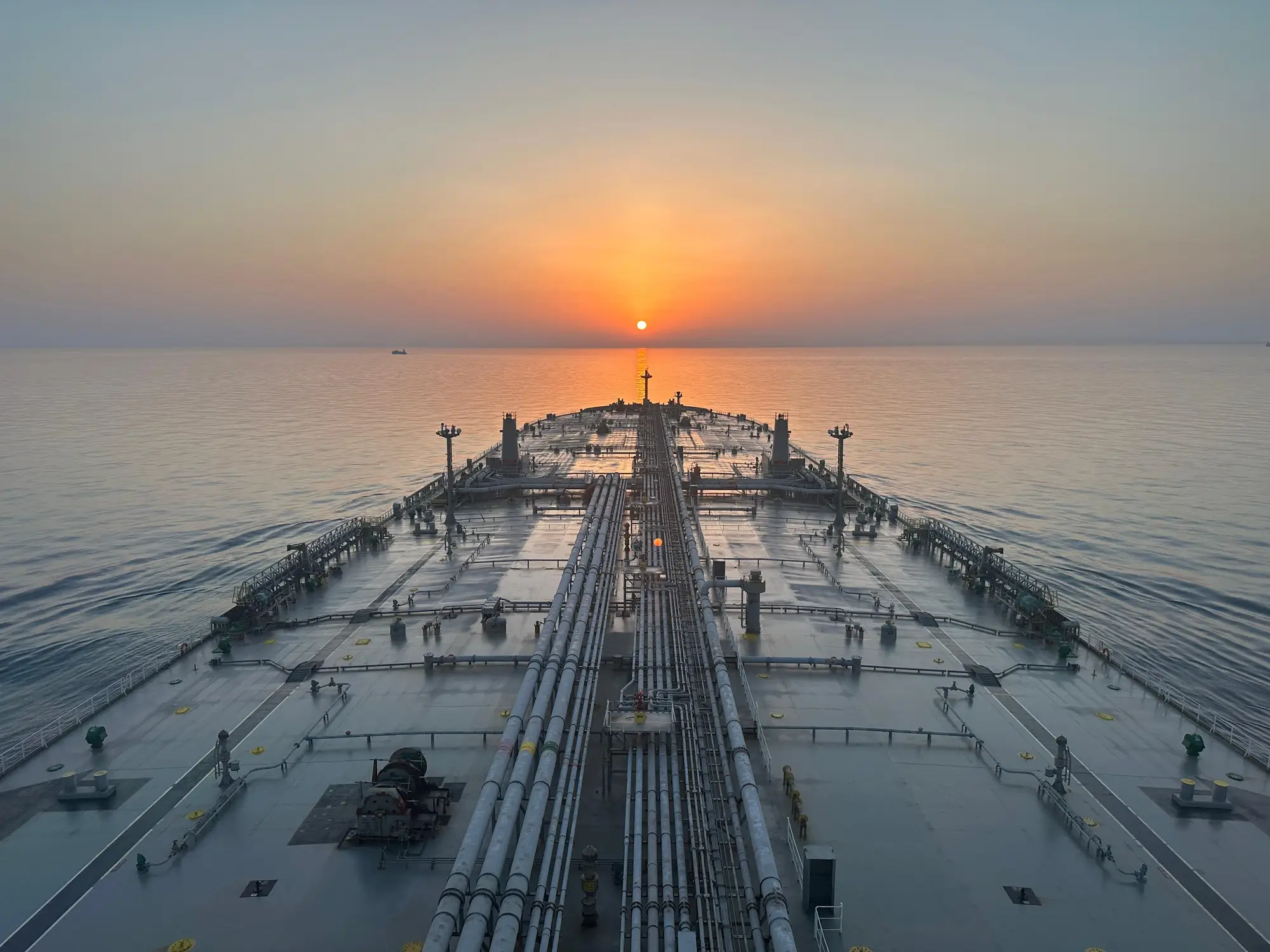
A Panamax clears the pilot station at Paranaguá and the SOF hasn't hit your inbox yet. AIS is showing a draft figure. Is that the number you flag as laden, or is it three port calls old? This is the question that comes up every time a vessel goes quiet between an agent's report and the next one, and the two data sources behind it answer different questions entirely.
What the AIS static draft field actually tells you
The draft field in AIS is part of the static and voyage-related message, the same block that carries destination and ETA. It's entered by the crew, broadcast by the transponder, and designed for collision avoidance and VTS, not for commercial tracking. Nothing forces an update when cargo state changes. A chief officer who sets draft after loading at the last port has no operational reason to touch it again until the next port call, and plenty of vessels transmit a draft that's a full voyage leg stale.
There's also a units problem. The field is specified in decimeters, and not every AIS unit on the water encodes it correctly. You'll see drafts that are clearly a meter off, or a static 0.0 that's been sitting there since commissioning because nobody ever bothered to key in a real number. Treat it as a hint, not a record.
Where the port call / agent draft report comes from
The agent draft report, the one that usually rides along with the port call report, is a different animal. It's typically pulled from the draft survey or the master's declaration at arrival and departure, sometimes cross-checked against the NOR, and it gets written down because somebody's laytime or demurrage calculation depends on it being right. That's a commercial document with a reason to be accurate, logged against a specific call at a specific berth on a specific date.
The tradeoff is timing and coverage. The report only exists once the agent files it, which can run days behind the vessel's actual movements, and for smaller or less-trafficked ports your network may not have an agent relationship at all. Between calls, you have nothing from this source. The vessel could discharge, ballast out, and be two days into the next leg before any paperwork reflects it.
Why the two don't match
AIS draft is a field the crew can edit whenever they like, but nothing in the AIS spec requires them to touch it again once a load or discharge finishes, so the number sitting in the transponder can be a full voyage leg out of date. The port call report comes from a draft survey tied to a specific call at a specific berth, filed because a laytime or demurrage calculation depends on it being right, but it only exists on the agent's schedule, not yours. They run on different clocks and answer different questions, which is exactly how desk analysts get burned treating a stale AIS draft field as equivalent to a fresh agent report, usually on a ballast-leg vessel someone assumed was still carrying cargo.
The gap between those two data points is exactly the window where a laden/ballast call matters most, right after a port call and before the next report lands. One way desks close that gap without waiting on the agent is checking freeboard and waterline directly against overhead imagery, which is the premise behind Ship Loading State's weekly flag.
If you're tired of guessing what a vessel's carrying between port calls, the pilot list is open for early access.