26 October 2026
What is a draft survey, and why do charterers rely on one?
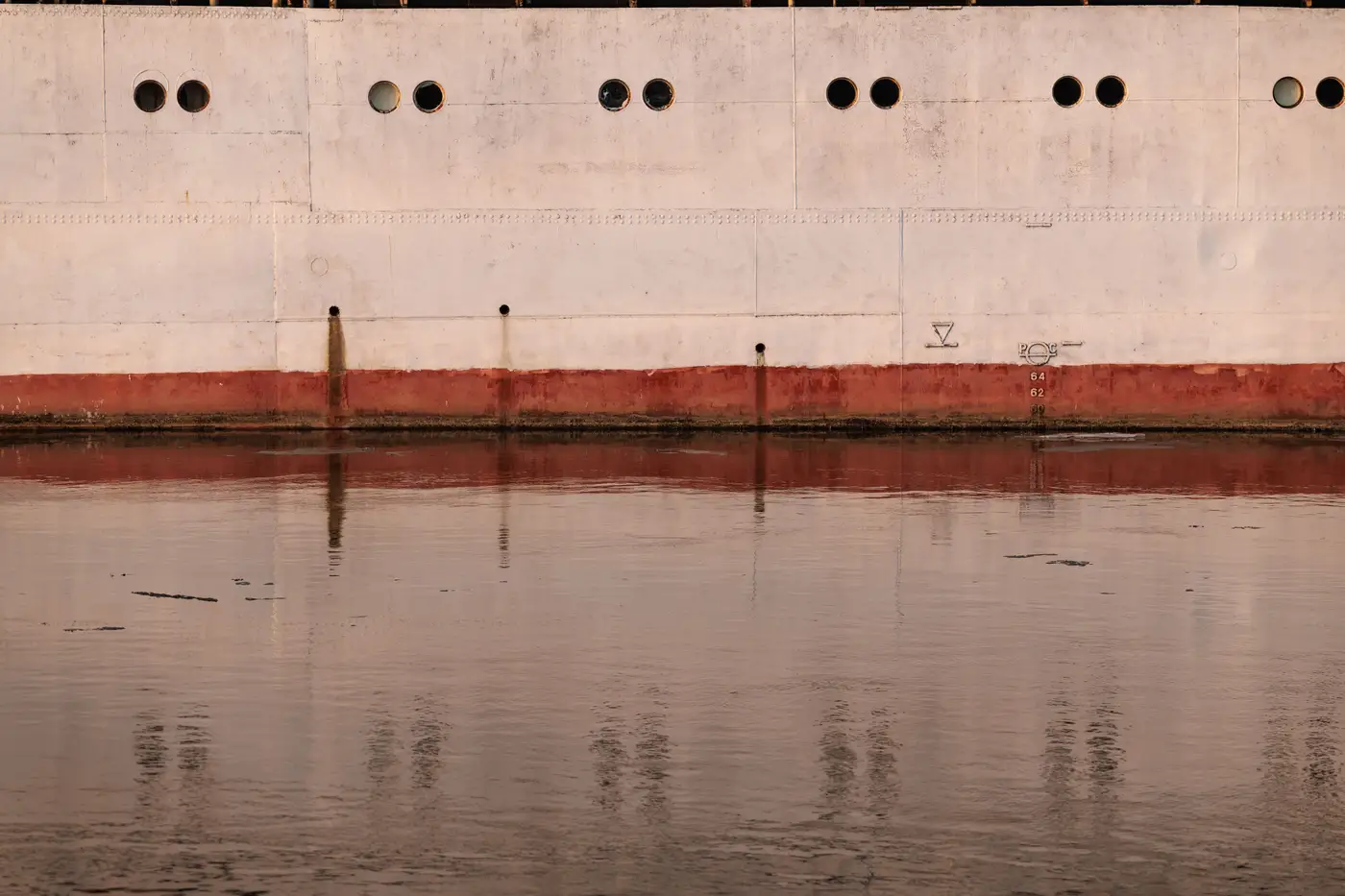
A draft survey is the oldest instrument on the dock for answering one question: how much cargo is on that ship. A surveyor reads the vessel's forward, midships and aft drafts against the load line marks, corrects for trim, list, water density and deadweight scale, and works backward to a displacement figure. Subtract the known lightship weight and whatever's left over is the cargo on board, give or take the usual tolerance both sides argue about in the laytime statement.
For a charterer, that number is the only independent check on what the bill of lading says loaded and what the mate's receipt claims discharged. B/L figures come from shore scales or shipper's weighbridge tickets, which is exactly why owners and charterers have been commissioning draft surveys since before anyone on this desk was born.
What the survey actually produces
Two draft surveys bracket a port call: one before loading or discharge starts, one after it finishes. The difference between the two displacement figures, adjusted for bunkers consumed and fresh water taken on, is the cargo quantity moved. That figure goes into the statement of facts and usually becomes the working number for freight settlement when there's a gap between B/L tonnage and outturn.
It's a physical measurement done by a licensed surveyor standing on the dock with a tape and a hydrometer. Nobody disputes the method even when they dispute the result, because the alternative, taking the shipper's shore figure on faith, is worse.
Draft survey vs AIS draft
This is where the desk gets itself in trouble. AIS broadcasts a static draft value that the vessel's crew enters manually into the transponder, usually once per voyage leg and sometimes not updated between calls at all. It's a reported number, not a measured one, and a lot of masters leave it set to whatever it was on the last port call because nobody's chasing them to fix it.
A draft survey is a physical reading taken at a specific moment by a third party with no reason to round in anyone's favor. AIS draft is a convenience field that happens to be free and always on. Treating the two as interchangeable is how a trader ends up flagging a vessel as loaded when it's sitting in ballast three days out from its last discharge port.
Why the desk leans on one anyway
A draft survey needs someone physically present at the berth, which means it only happens for the port calls where a surveyor got hired, usually because a charter party required it or a cargo dispute made it worth the cost. For every vessel sitting at anchor, transiting a strait, or waiting off a port for a berth, there's no survey and no AIS entry worth trusting either. That's the gap between port calls where a desk is working off whatever was last reported, sometimes a week or two stale.
This is the gap Ship Loading State was built for: a weekly overhead read of freeboard and waterline on a tracked vessel, giving a laden, part-laden or ballast flag between port calls without waiting on the next survey or the next AIS update from the bridge. It doesn't replace a draft survey. It fills the stretch of the voyage where no survey exists and the AIS field is just whatever the crew typed in last time.
The short version
A draft survey measures cargo quantity directly, at the berth, using the vessel's actual draft readings. AIS draft is a self-reported field that can go stale for days or weeks. A charterer relies on the survey because it's the only figure anyone's prepared to put money against at settlement. The imagery read is a different tool. It tells you what the vessel looks like right now, on a week it isn't under survey at all.
If a vessel on your book hasn't had eyes on it since its last port call, it might be worth getting on the Ship Loading State pilot list.